
After something frightening, violating, or overwhelming, you may notice that ordinary moments do not feel ordinary anymore. A sound, place, smell, conversation, or quiet pause can bring an intrusive memory or a rush of feeling. You might replay what happened, picture what could have happened, or wake from disturbing dreams. These reactions can be confusing, especially when other people believe the event is over.
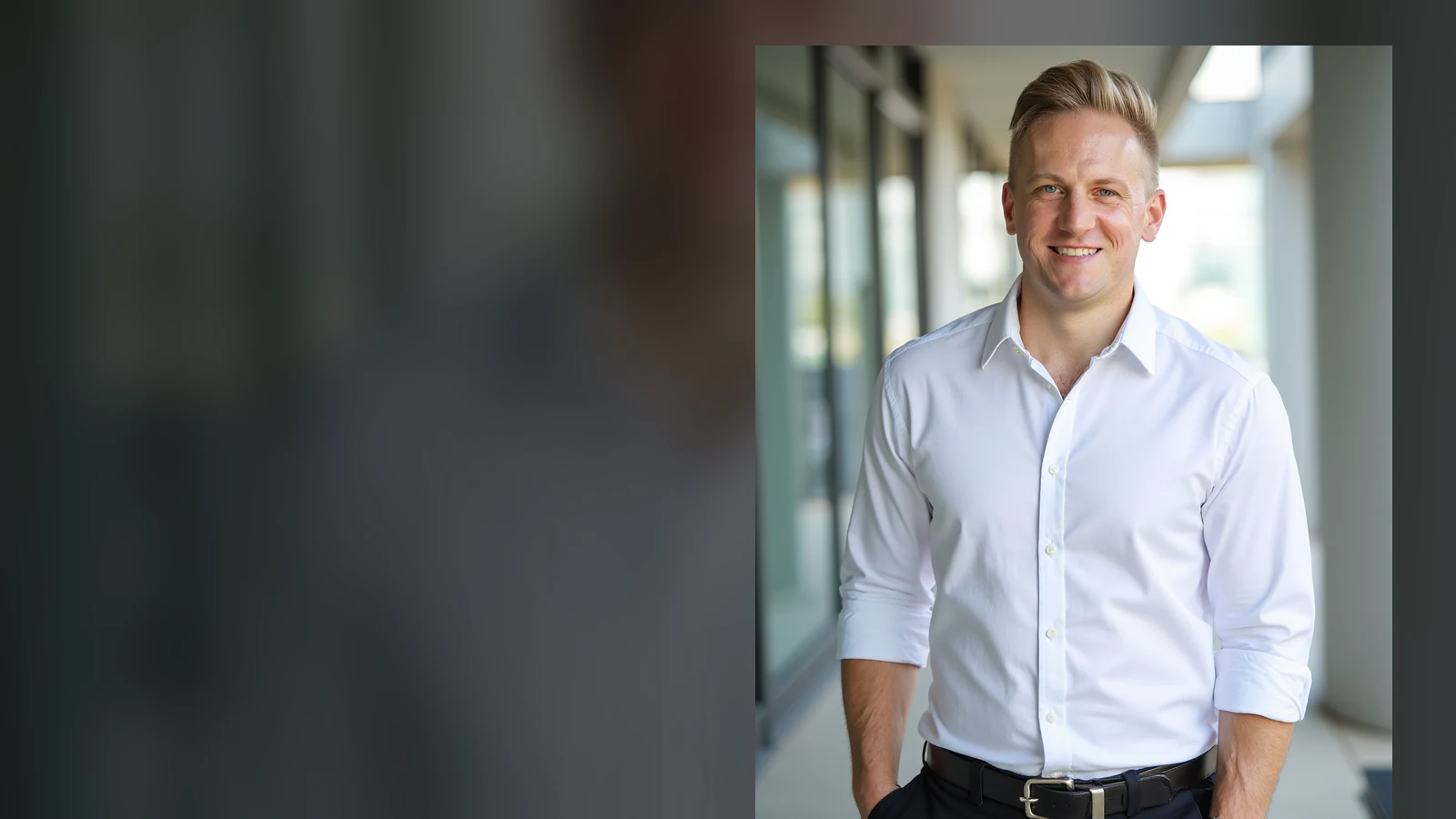
Counseling for adults in Colorado and Minnesota
Trauma and PTSD Counseling
Trauma and PTSD counseling for adults navigating intrusive memories, avoidance, guilt, disrupted trust, sleep problems, emotional numbing, and feeling constantly on guard.
Colorado LCSW CSW.09930255
Minnesota LICSW 27721
Colorado + Minnesota Telehealth
Adults 18+
Written by Andrew Qualy, MSW, LICSW, LCSW · Reviewed September 2026
01
When life still feels shaped by what happened
Avoidance can become a way of getting through the day. You may steer around certain roads, people, topics, activities, or forms of closeness because they remind you of the experience. At first, avoiding a trigger may bring relief. Over time, it can narrow your routines and make relationships, work, travel, or rest more difficult. You may also feel guilt about choices you made, choices someone else made, or what you could not prevent.
Trauma responses can affect trust in quiet, persistent ways. You may question other people's intentions, expect disappointment, or find it hard to let someone see what you need. Some adults feel emotionally numb, distant from loved ones, or unable to access pleasure even when they want to. Others feel irritable, tense, or constantly on guard, as if danger might appear without warning. Sleep may be light and interrupted, and a tired mind can make patience and concentration harder.
You do not have to look distressed for these experiences to matter. Many adults keep working, caring for family, showing up socially, or meeting responsibilities while privately feeling exhausted and disconnected. Trauma counseling in Denver can offer a place to describe what is happening in language that fits your life, without having to prove that your experience is severe enough. I will not assume what your symptoms mean or tell you who you are; we can explore them together at a pace that respects your choices.
02
How counseling at Forge may help
At Forge Resilience Counseling, I begin with collaboration, steadiness, and attention to what feels manageable. We can clarify the situations that bring intrusive memories, avoidance, guilt, sleep disruption, numbness, or constant alertness. We can also notice the strengths that helped you survive and function. Trauma-informed care means your voice matters in decisions about focus, pacing, language, and which tools we try.
Cognitive Processing Therapy may be considered when guilt, shame, or stuck beliefs about the event keep demanding your attention. With this approach, we examine the meaning you have made from what happened and look carefully at thoughts such as I should have known, I should have stopped it, or nobody can be trusted. The work is not about arguing with you or forcing a positive interpretation. It is about making room for a more balanced understanding while respecting the facts and your values.
Cognitive Behavioral Therapy may help us map connections among a trigger, a thought, a body response, an emotion, and an action. For example, we might look at how a reminder leads to scanning for danger, avoiding a conversation, losing sleep, and then feeling even less prepared the next day. We can practice small, agreed-upon changes, review what you notice between sessions, and adjust when an exercise feels too much or does not fit.
Mindfulness-Based Therapy can support noticing the present without treating every thought, image, or body sensation as an immediate command. In practice, that might involve brief grounding, observing a breath, identifying contact with the chair, or naming what is happening now and what belongs to the past. Mindfulness is not a requirement to relax or forget. It is an option for building a little more choice when your attention feels pulled toward danger.
These approaches can be combined with ordinary conversation about relationships, identity, work, military or public-safety experiences, family life, and sleep. I am a U.S. Army combat veteran of the Iraq War, and I completed the University of St. Thomas Area of Emphasis in Military Practice program. I also have specialized training in Cognitive Processing Therapy for trauma and PTSD. That background informs my work, but it does not replace listening to your particular story or assuming that your experience matches mine.
The purpose of our work is not to erase a history or require you to disclose every detail. We can focus on the concerns you want to address and discuss safety, boundaries, and support as needed. If a certain method does not feel appropriate, we can slow down, choose another approach, or spend time strengthening stability before returning to a difficult topic.
What shapes the work
Counseling grounded in context—not assumptions
Service-informed perspective
My experience as a combat veteran and healthcare worker helps me understand the culture of service, while making space for your unique story.
Licensed and accountable
I am licensed in Colorado and Minnesota and practice within clear professional, ethical, privacy, and scope-of-care standards.
Practical, evidence-based work
Sessions can draw from CBT, DBT-informed skills, ACT, CPT, and mindfulness according to your goals, preferences, and clinical needs.
Secure telehealth
Meet by secure telehealth when you are physically located in Colorado or Minnesota. In-person sessions are not offered at this time.
No pressure. Start with questions.
Is trauma and ptsd counseling the right fit?
I offer telehealth for adults located across Colorado and Minnesota. A free 15-minute consultation gives you space to ask about fit, format, and next steps.
03
What first and ongoing sessions can look like
A first session is a chance to understand what brings you in, what you hope might change, and what support would feel useful. We may talk about current sleep, concentration, relationships, work, physical stress, reminders, and coping. You decide how much detail to share. I will explain confidentiality and its limits, answer questions about my approach, and collaborate on an initial direction rather than rushing into a detailed account of the past.
Ongoing sessions usually include a check-in about the time since we met, attention to what has felt easier or harder, and a conversation about where to put our energy that day. Depending on your goals, we may practice a grounding skill, examine a painful belief, plan a gradual step toward an avoided activity, or make sense of a relationship pattern. We will keep checking whether the work feels relevant, respectful, and tolerable.
Many adults begin with weekly sessions because a regular rhythm can make it easier to build trust and remember what we are learning. Some people later choose every-other-week sessions, while others need a different schedule because of work, caregiving, travel, or changing needs. Frequency is a shared decision, not a test of commitment. We can discuss the expected length of each session before you begin, and the overall length of counseling varies widely with your goals, history, available support, and response to the work.
There is no honest universal timeline for trauma counseling. Some people want focused support around one concern, while others need more time to address sleep, guilt, trust, avoidance, and the impact on daily life. We can review progress and fit as we go without promising a particular result or number of visits. In-person sessions are not offered at this time. Telehealth is available statewide in Colorado and statewide in Minnesota, where sessions are virtual rather than office-based.
You can ask practical questions before deciding whether to continue, including how sessions are structured, what kinds of between-session reflection may be invited, and how we will handle a day when you feel overwhelmed. If the first plan needs revision, revising it is part of responsible care.
04
Who this service may fit, and when other care is appropriate
This service is for adults age 18 and older who want support with trauma-related experiences or PTSD symptoms, including intrusive memories, avoidance, guilt, disrupted trust, sleep problems, emotional numbing, and feeling constantly on guard. You might be coping with one event, repeated experiences, an occupational exposure, military service, public-safety work, a relationship rupture, or a past experience that continues to affect the present. You do not need to use a diagnostic label or have a neatly organized story to begin a conversation.
A trauma-informed conversation may also fit when you are unsure whether your current concerns connect to trauma. We can look at patterns without diagnosing you from a webpage. Some people come because they want to understand a reaction, improve rest, feel safer in relationships, or make a decision about next steps. Others want focused help after a recent event while continuing to draw on trusted personal and community supports.
There are times when a different or higher level of care is more appropriate than routine outpatient counseling. If you are in immediate danger, cannot keep yourself or someone else safe, are experiencing a mental health crisis, or need urgent medical or psychiatric attention, call 911, go to the nearest emergency room, or contact the 988 Suicide & Crisis Lifeline at 988. A crisis response is not a failure of counseling; it is the right form of support for an immediate safety need.
A referral or coordinated support may also make sense when substance use, severe sleep loss, medication questions, significant medical concerns, or symptoms that disrupt basic daily functioning require services beyond what I provide. We can discuss whether another clinician, prescriber, specialized program, or more intensive setting would better match the situation. I will be direct about the scope of outpatient counseling and respectful about your choices.
05
Reaching out can be a reasonable next step
Deciding to talk with someone about trauma takes courage, and it is normal to feel uncertain about starting. You do not have to wait until life is falling apart or until you can explain everything perfectly. Functioning outwardly, caring for others, or having good days does not cancel the need for support. What you are carrying deserves attention even when you are not in crisis.
If you are looking for a trauma counseling therapist in Denver, I invite you to start with a conversation about fit and practical questions. I offer telehealth for adults located in Colorado or Minnesota. Reaching out does not commit you to a particular modality or timeline. It simply creates an opportunity to decide, with information and care, what kind of support may make sense.
Help-seeking can be gradual. You might write down a few concerns, name what you hope to understand, or bring a question about privacy and pacing. You can also say that you are not ready to discuss details. In counseling, boundaries are useful information, not obstacles. We can begin with the present and make room for the past only when doing so feels appropriate.
What does trauma counseling in Denver involve?
Trauma counseling in Denver involves a collaborative conversation about experiences such as intrusive memories, avoidance, guilt, sleep problems, disrupted trust, emotional numbness, or feeling constantly on guard. Andrew Qualy may use Cognitive Processing Therapy, Cognitive Behavioral Therapy, mindfulness-based tools, or supportive conversation based on your goals and comfort.
Can I attend trauma counseling by telehealth in Colorado or Minnesota?
Yes. Forge Resilience Counseling offers statewide telehealth in Colorado and statewide telehealth in Minnesota. In-person sessions are not offered at this time. You can discuss your location, privacy, technology, and preferences before choosing a format, and you do not need to decide on a specific therapy method before reaching out.
Do I have to talk about every detail of what happened?
No. You decide what to share and when. Early sessions can focus on current sleep, relationships, triggers, coping, and what you want from counseling. Andrew can explain possible approaches and adjust the pace with you. Trauma-informed counseling does not require a complete narrative before meaningful goals can be discussed.
Public feedback
Read current reviews directly on Google
Forge Resilience Counseling does not copy individual client comments onto this website. Current public feedback, ratings, and review totals remain on the verified Google Business Profile, where context and updates stay with the original source.
Related ways to explore support
Related concerns
Not sure which description fits? Ask a question about counseling options.
Practical details
Frequently Asked Questions
Trauma and PTSD counseling is provided by Andrew Qualy, MSW, LICSW, LCSW, for adults age 18 and older. He is a Licensed Independent Clinical Social Worker in Minnesota and a Licensed Clinical Social Worker in Colorado. His background includes U.S. Army combat veteran experience, military-practice training, and specialized training in Cognitive Processing Therapy.
Counseling may address intrusive memories, avoidance, guilt, disrupted trust, sleep problems, emotional numbing, irritability, and feeling constantly on guard. You do not need to diagnose yourself or share every detail to ask about these experiences. Sessions can also consider how trauma responses affect work, relationships, family life, and daily routines.
Many adults begin with weekly sessions so there is a consistent rhythm for building trust and reviewing concerns. Some later choose every-other-week sessions, and we can discuss the expected length of each session before you begin. The overall length varies with your goals, history, support, and response to counseling. Andrew will not promise a fixed timeline.
No. In-person sessions are not offered at this time. Telehealth is available statewide in Colorado and statewide in Minnesota. Wherever you are located in Colorado or Minnesota, services are virtual rather than office-based. You can discuss which format fits your privacy, schedule, technology, and preferences before deciding whether to continue.
If you are in immediate danger, cannot stay safe, or need urgent medical or psychiatric care, call 911, go to the nearest emergency room, or contact the 988 Suicide & Crisis Lifeline at 988. Other situations may call for coordinated care, a prescriber, a specialized program, or a higher level of support, which we can discuss honestly.
No. Many people seek counseling while they are still working, caring for family, and managing daily responsibilities. Functioning outwardly does not mean your concerns are unimportant, and you do not have to prove that things are bad enough. Reaching out can simply be a way to ask questions and explore whether support fits.
A grounded next step
Ready to ask about trauma and ptsd counseling?
A first conversation can focus on fit, format, and what you are looking for. You do not need to commit to a fixed plan before asking questions.