
Military life can shape the way you move through the world long after a deployment, assignment, or change of duty has ended. You may be active duty and carrying a constant sense of responsibility, or a veteran trying to find a workable rhythm after leaving service. Chronic readiness can make it hard to rest, delegate, or feel fully off duty. A crowded room, a sudden sound, a change in plans, or an ordinary conflict at home may keep your body and mind on alert. You may know that the danger has passed while still feeling as if you need to scan, prepare, and stay ready.
Counseling for adults in Colorado and Minnesota
Veterans and Military Counseling
Support for active-duty service members and veterans navigating civilian transition, identity, trauma exposure, relationships, sleep, grief, moral pain, and the demands of chronic readiness.
Colorado LCSW CSW.09930255
Minnesota LICSW 27721
Colorado + Minnesota Telehealth
Adults 18+
Written by Andrew Qualy, MSW, LICSW, LCSW · Reviewed September 2026
01
When military experience keeps showing up in civilian life
Transition to civilian life can also unsettle identity and purpose. The structure, language, shared mission, and sense of belonging that once organized your days may not have a clear replacement. Work, school, or family life may look fine from the outside, yet you may feel disconnected, irritable, directionless, or unsure how to explain what has changed. Questions about who you are now can sit alongside pressure to be grateful, strong, or unaffected. You do not have to reduce your service experience to one story in order to talk about it.
Some people notice the impact most clearly in relationships. Closeness may feel unfamiliar, communication may become short or guarded, or loved ones may not understand why sleep is difficult and patience runs thin. Trauma exposure can bring unwanted memories, painful reactions, or a wish to avoid reminders; grief may involve people, places, roles, or a version of yourself. Moral pain can arise when what happened, what you did, what you could not do, or what you witnessed conflicts with your values. Counseling can make room for these experiences without asking you to prove that they are serious enough.
02
How counseling may help you make sense of what you carry
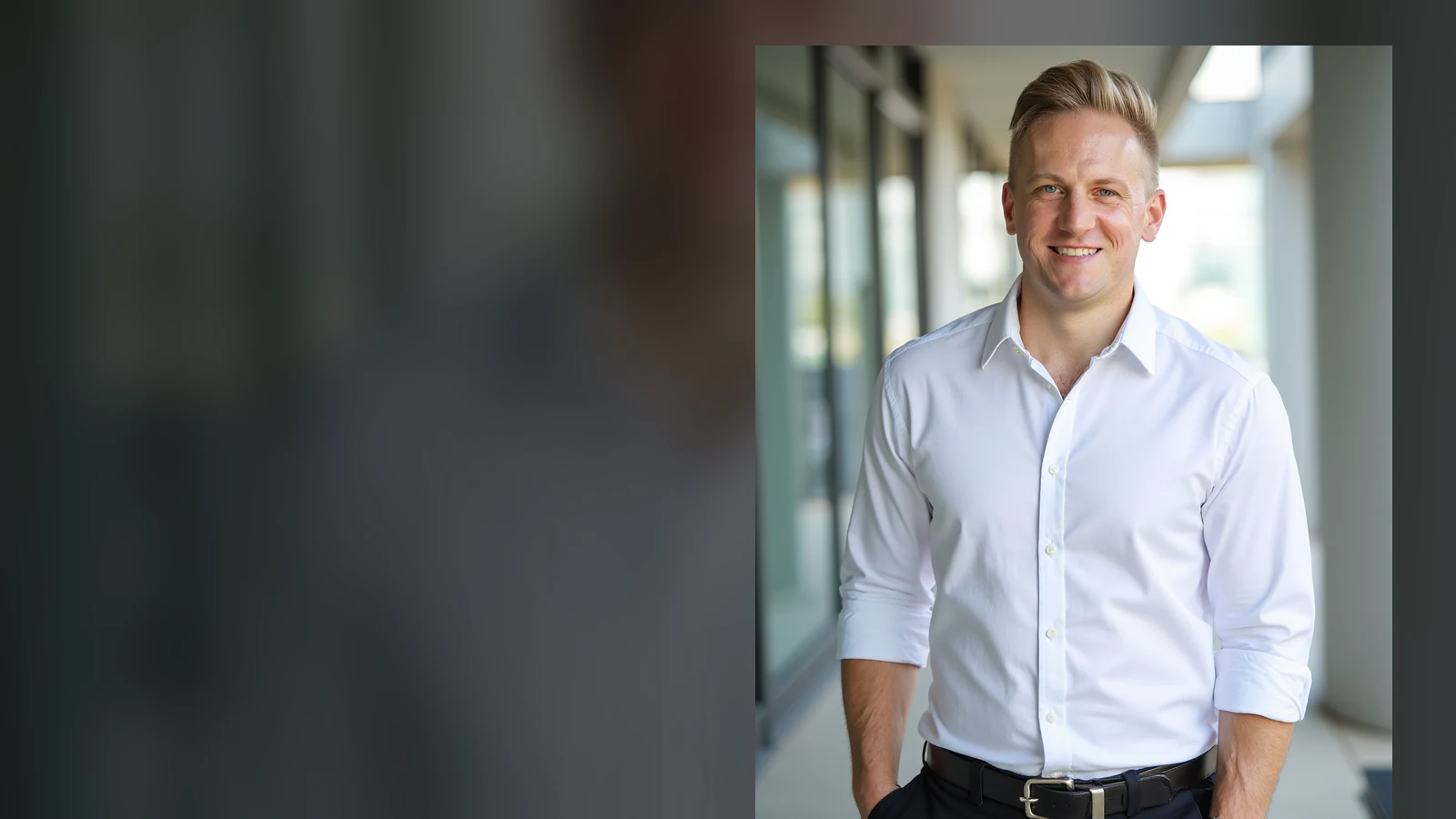
I offer a collaborative space where we can slow down, understand patterns, and decide what deserves attention first. I am Andrew Qualy, a Licensed Independent Clinical Social Worker in Minnesota and a Licensed Clinical Social Worker in Colorado. I am a U.S. Army combat veteran of the Iraq War, completed the University of St. Thomas Area of Emphasis in Military Practice program, and have specialized training in Cognitive Processing Therapy for trauma and PTSD. My background does not define your experience, and I will not assume that your story resembles mine. We can work at a pace that respects your choices, privacy, and readiness.
Cognitive Processing Therapy can provide a structured way to examine beliefs that became stuck after trauma, such as ideas about safety, trust, control, esteem, or responsibility. In practice, we may notice the meaning you have made of an event, look at whether that meaning fits all the information you have now, and develop a more balanced understanding. This is not about arguing you out of your experience or forcing disclosure before you are ready. We will discuss whether this approach fits your goals and how to keep the work manageable.
Cognitive Behavioral Therapy may help us map the connection between situations, thoughts, emotions, body responses, and actions. We might identify a cycle that keeps sleep, avoidance, anger, or withdrawal going, then consider a small, realistic change to test between sessions. Acceptance and Commitment Therapy may help you notice difficult thoughts without letting them make every decision, clarify values, and take meaningful steps toward relationships, purpose, or a life beyond constant readiness. These approaches are tools, not a script; I adapt them with you rather than applying a preset plan.
What shapes the work
Counseling grounded in context—not assumptions
Service-informed perspective
My experience as a combat veteran and healthcare worker helps me understand the culture of service, while making space for your unique story.
Licensed and accountable
I am licensed in Colorado and Minnesota and practice within clear professional, ethical, privacy, and scope-of-care standards.
Practical, evidence-based work
Sessions can draw from CBT, DBT-informed skills, ACT, CPT, and mindfulness according to your goals, preferences, and clinical needs.
Secure telehealth
Meet by secure telehealth when you are physically located in Colorado or Minnesota. In-person sessions are not offered at this time.
No pressure. Start with questions.
Is veterans and military counseling the right fit?
I offer telehealth for adults located across Colorado and Minnesota. A free 15-minute consultation gives you space to ask about fit, format, and next steps.
03
What first and ongoing sessions can look like
A first session is a chance to talk about what brings you in, what you hope might be different, and what has or has not felt useful in past support. We can discuss military history only as much as it is relevant and comfortable for you. We may also consider sleep, relationships, work, grief, trauma exposure, substance use concerns, physical health, and sources of strength. I will explain how counseling works, answer questions about privacy and fit, and collaborate on an initial direction. You do not need a polished account of your life or a specific label before reaching out.
Ongoing sessions are a place to notice what is happening between meetings, practice or reflect on agreed-upon skills, and revisit priorities as life changes. Some people begin with weekly meetings; others choose every-other-week counseling when that better matches their schedule, resources, or needs. Frequency can change over time, and we can talk openly about whether the pace is useful. There is no honest universal timeline for this work.
Some goals may call for a shorter period of focused support, while trauma, grief, identity, or relationship concerns may take months or longer to explore. Any estimate should be treated as a planning conversation, not a promise.
I offer telehealth statewide in Colorado and statewide in Minnesota. All services are telehealth only; I do not represent that there is an office or in-person care in either state. If you are looking for a veterans counseling therapist in Denver, we can discuss whether the Denver setting fits. For Colorado clients outside Denver and Minnesota clients, telehealth can offer a way to meet from a private, appropriate location while remaining in the state where I am licensed.
04
Who this service fits and when more support may be needed
This service is for adults age 18 and older, including active-duty military members, veterans, and people preparing for or living through a transition out of service. It may fit if you are trying to understand changes in identity or purpose, respond to trauma exposure, make room for grief, repair communication, sleep more consistently, or loosen the grip of chronic readiness. You may be functioning at work and still want a place to process what is happening. You may also be unsure whether your concern belongs in counseling; that question itself is welcome.
Individual counseling can support personal reflection and relationship changes, but it is not the only possible kind of care. Another therapist, a medical professional, a specialist program, peer support, or a different counseling approach may be a better fit for particular needs. If a concern involves urgent safety risks, severe inability to care for yourself, immediate danger, or needs that outpatient counseling cannot safely contain, a higher level of care may be appropriate.
In an emergency, call 911 or go to the nearest emergency room. For a mental health crisis, contact the 988 Suicide & Crisis Lifeline at 988. We can discuss the limits of this service and possible next steps rather than forcing a poor fit.
A military background does not determine what kind of support you should receive. Some people want focused work around one transition; others want a broader conversation about family, work, values, or the meaning of service. You can bring practical questions, uncertainty, skepticism, or a wish to proceed slowly. The goal is not to erase your history or make you conform to a civilian version of wellness. It is to create a thoughtful space for deciding what you want to carry forward and what you may want to understand differently.
05
Reaching out is a reasonable part of taking care of yourself
Deciding to talk with someone takes courage, especially when military culture or personal experience has taught you to handle things on your own. Many people wonder whether what they are experiencing is bad enough for therapy. You do not have to be in crisis to deserve support, and you do not need to wait until sleep, relationships, work, or daily life have completely unraveled. Seeking counseling is not a failure of strength; it can be a deliberate way to understand your experience and make room for choices.
If you are in Denver, telehealth is the format currently available, as it is throughout Colorado. Across Colorado and in Minnesota, telehealth is available statewide, with Minnesota care offered virtually only. Starting can be as simple as sharing what has been difficult and asking whether this service may fit. You remain the person who decides what to discuss, what pace feels workable, and whether to continue. A first conversation does not obligate you to a particular treatment plan or outcome.
If this feels like the right time to explore veterans counseling in Denver, Colorado, or through telehealth in Minnesota, you can start the conversation through the contact page. If you are experiencing a mental health crisis, call the 988 Suicide & Crisis Lifeline at 988; if you are in immediate danger, call 911 or go to the nearest emergency room. Support is appropriate before a crisis, during a transition, and whenever carrying everything alone no longer feels sustainable.
What does veterans counseling in Denver usually address?
Veterans counseling in Denver may address the transition to civilian life, changes in identity and purpose, trauma exposure, relationship strain, sleep challenges, grief, moral pain, and the difficulty of staying ready all the time. Counseling can be collaborative and paced around what you want to understand or change, without requiring a diagnosis or crisis.
Can I work with a counselor about military experiences without retelling everything?
Yes. You can discuss military experiences at a pace that feels workable and focus first on current sleep, relationships, emotions, values, or daily routines. A counselor can explain possible approaches and collaborate with you about what to share. You do not need a polished story or complete details before beginning a conversation.
Is telehealth available for veterans in Colorado or Minnesota?
Telehealth is available statewide in Colorado and statewide in Minnesota. Counseling is currently telehealth only in both Colorado and Minnesota. You would need a private, appropriate place to meet and to be located in a state where the clinician is licensed during the session.
Public feedback
Read current reviews directly on Google
Forge Resilience Counseling does not copy individual client comments onto this website. Current public feedback, ratings, and review totals remain on the verified Google Business Profile, where context and updates stay with the original source.
Related ways to explore support
Related concerns
Not sure which description fits? Ask a question about counseling options.
Practical details
Frequently Asked Questions
No. You can reach out because a transition, relationship change, sleep difficulty, grief experience, moral pain, or sense of constant readiness is affecting your life. Counseling begins with understanding your concerns rather than requiring you to arrive with a diagnosis. We can discuss whether this service fits your goals and circumstances.
Counseling may offer space to explore changes in structure, belonging, identity, purpose, work, and relationships after service. Sessions can focus on what civilian life has been like for you and on values or practical patterns you want to examine. There is no single transition timeline, and your experience does not need to match anyone else’s.
Many people begin with weekly or every-other-week sessions, depending on their goals, schedule, and available support. Frequency can be revisited as circumstances change. Counseling may be focused for a shorter period or continue for months or longer; an honest estimate depends on what you want to address and how the work develops.
No. In-person sessions are not offered at this time. Telehealth is available statewide in Minnesota and statewide in Colorado, so Minnesota clients meet virtually from a private, appropriate location. You must be located in a state where the clinician is licensed when a telehealth session takes place.
If you are in immediate danger, cannot stay safe, or need support beyond what outpatient counseling can safely provide, a higher level of care may be appropriate. Call 911 or go to the nearest emergency room for an emergency. During a mental health crisis, contact the 988 Suicide & Crisis Lifeline at 988.
A grounded next step
Ready to ask about veterans and military counseling?
A first conversation can focus on fit, format, and what you are looking for. You do not need to commit to a fixed plan before asking questions.